Conquering the challenges of long-haul flights doesn’t require superhuman endurance; it simply requires a strategic approach. This guide provides practical tips and tricks to transform your next long journey from a grueling ordeal into a comfortable and even enjoyable experience. From pre-flight planning to post-flight recovery, we’ll cover everything you need to know to arrive at your destination refreshed and ready for adventure.
We’ll delve into essential packing strategies, optimal seat selection techniques, and in-flight entertainment options to combat boredom. Learn how to manage jet lag effectively, stay hydrated and healthy, and even utilize lesser-known travel hacks to maximize your comfort and convenience. This comprehensive guide will equip you with the knowledge and tools to make your next long-haul flight a truly pleasant one.
Pre-Flight Preparation
Preparing for a long-haul flight is crucial for ensuring a comfortable and less stressful journey. Careful planning in advance can significantly mitigate the challenges of extended air travel, allowing you to arrive at your destination feeling refreshed and ready to enjoy your trip. This section focuses on pre-flight strategies to optimize comfort and efficiency.
Packing for Long-Haul Flight Comfort
A well-thought-out packing list is essential for maximizing comfort during a long flight. Overpacking can lead to discomfort and extra baggage fees, while underpacking leaves you wanting essential items. The following table Artikels a prioritized packing list focusing on comfort.
| Item | Quantity | Purpose | Notes |
|---|---|---|---|
| Comfortable Clothing (Loose-fitting, layers) | 3-4 outfits | Temperature regulation and ease of movement | Choose breathable fabrics like cotton or linen. |
| Compression Socks | 1 pair | Improve circulation and reduce swelling | Essential for preventing deep vein thrombosis (DVT). |
| Neck Pillow | 1 | Support for neck and head during sleep | Choose a travel pillow that supports your preferred sleeping position. |
| Eye Mask | 1 | Block out light for better sleep | Consider a mask that completely blocks light. |
| Ear Plugs | 1 pair | Reduce noise distractions | Choose soft, comfortable earplugs for effective noise reduction. |
| Travel-Sized Toiletries | As needed | Maintain hygiene and freshness | Check airline regulations on liquid restrictions. |
| Refillable Water Bottle | 1 | Stay hydrated | Fill after security checkpoint. |
| Entertainment (e-reader, headphones, etc.) | As needed | Keep you occupied during the flight | Download books, movies, and music beforehand. |
| Snacks | Several | Combat hunger and maintain energy levels | Choose healthy, non-perishable options. |
| Small First-Aid Kit | 1 | Address minor injuries or ailments | Include pain relievers, antiseptic wipes, and band-aids. |
Choosing the Most Comfortable Airline Seat
Selecting the right seat can significantly impact your comfort level during a long-haul flight. Consider these factors when choosing your seat:
- Aisle Seat: Easier access to the restroom and more legroom than window seats (sometimes).
- Window Seat: More privacy, potential for leaning against the wall, and a place to rest your head.
- Bulkhead Seats: Usually offer extra legroom but may lack in-seat entertainment and storage.
- Emergency Exit Row Seats: Generally offer more legroom, but may have restrictions on carrying personal items underneath the seat.
- Avoid Middle Seats: Generally less comfortable due to limited space and proximity to other passengers.
Pre-Flight Itinerary for Optimized Comfort
A structured pre-flight itinerary can help minimize stress and maximize comfort.
- Two Days Before: Confirm flight details, pack your bag, and prepare any necessary travel documents.
- One Day Before: Lay out your outfit, charge all electronic devices, and prepare any snacks or drinks you’ll be taking on the plane.
- Morning Of: Eat a light, healthy breakfast, and arrive at the airport with ample time to spare.
- At the Airport: Locate your gate, relax, and hydrate before boarding.
- On the Plane: Settle in, adjust your seat, and begin your in-flight entertainment.
Jet Lag Management Strategies
Jet lag can significantly impact your comfort and well-being after a long-haul flight. Begin mitigating jet lag
before* your flight.
- Adjust your sleep schedule gradually in the days leading up to your flight to align with the time zone of your destination. For example, if traveling east, go to bed earlier each night; if traveling west, go to bed later.
- Expose yourself to sunlight to regulate your circadian rhythm. Sunlight helps to synchronize your body clock with the new time zone.
- Avoid caffeine and alcohol in the days leading up to your flight, as these substances can disrupt sleep patterns.
- Stay hydrated by drinking plenty of water before, during, and after your flight. Dehydration can exacerbate jet lag symptoms.
- Consider melatonin supplements, but consult your doctor first. Melatonin can help regulate your sleep cycle, but it’s essential to use it responsibly and under medical guidance.
In-Flight Comfort and Entertainment
Long-haul flights can be challenging, but with the right preparation and strategies, you can significantly enhance your comfort and enjoyment. This section focuses on maximizing your in-flight experience, covering essential accessories, boredom-busting techniques, health maintenance, and in-flight entertainment options.
Comfortable Travel Accessories
Choosing the right accessories can dramatically improve your comfort during a long flight. Consider these items to create a more pleasant journey.
- Neck Pillow: Provides crucial neck support, preventing stiffness and discomfort during sleep.
- Eye Mask: Blocks out light, promoting better sleep and relaxation.
- Ear Plugs: Reduces noise levels, minimizing distractions and improving sleep quality.
- Compression Socks: Improves circulation, reducing swelling in the legs and feet, a common issue on long flights.
- Travel Blanket: Provides warmth and comfort, especially on chilly flights.
- Portable Charger: Keeps your electronic devices powered up throughout the flight.
- Inflatable Lumbar Support Cushion: Offers additional back support, especially beneficial for those with back problems.
- Travel-Sized Toiletries: Essential for maintaining hygiene and freshness during the flight.
- Noise-Cancelling Headphones: Block out engine noise and other distractions, allowing you to focus on work, entertainment, or relaxation.
- Refillable Water Bottle: Crucial for staying hydrated throughout the flight (ensure it’s empty before going through security).
Managing Boredom and Staying Entertained
Long flights can be monotonous. Proactive planning is key to avoiding boredom.Staying entertained during a long flight requires a multi-pronged approach. Download movies, TV shows, podcasts, and audiobooks before your flight to avoid relying solely on in-flight entertainment. Bring a captivating book or start a new one. Consider engaging in light activities like puzzles, Sudoku, or crosswords.
Utilizing the flight time for work is another productive option.
Staying Hydrated and Healthy
Maintaining hydration and making healthy food choices is essential for combating jet lag and feeling refreshed upon arrival.Dehydration is a common problem on long flights, leading to fatigue and headaches. Drink plenty of water throughout the flight; avoid excessive alcohol and caffeine, which can dehydrate you. Opt for healthy snacks like fruits, vegetables, and nuts to maintain energy levels and avoid the sugar crash from processed snacks.
Avoid heavy, greasy meals, which can make you feel sluggish.
In-Flight Entertainment Options
In-flight entertainment offers a variety of options, ranging from free to paid services. Understanding the differences helps you make informed choices.
| Option | Type | Description | Recommendation |
|---|---|---|---|
| In-flight Movies/TV Shows (Free) | Free | Selection varies by airline, typically including a mix of new releases and classics. | Good for basic entertainment, but selection may be limited. |
| In-flight Music Selection (Free) | Free | Most airlines offer a selection of music genres and playlists. | A good option if you enjoy listening to music. |
| Airline Magazines (Free) | Free | Often feature articles on travel, culture, and lifestyle. | Good for light reading and a break from screens. |
| Audiobooks (Free via downloaded apps) | Free (with subscription) | Many audiobook services offer free trials or have a library of free titles. | Excellent for immersive listening, especially on longer flights. |
| In-flight Wi-Fi (Free or Paid) | Free/Paid | Allows access to personal devices for streaming, browsing, and communication. Free Wi-Fi is often limited. | Consider purchasing if you need reliable internet access for work or communication. |
| On-Demand Movies/TV Shows (Paid) | Paid | Airlines may offer a wider selection of movies and shows for purchase. | Worth considering if the free options lack your preferred choices. |
| In-flight Games (Paid) | Paid | Some airlines offer paid access to interactive games. | Only worthwhile if you are a frequent gamer and have time. |
| In-flight Shopping (Paid) | Paid | Purchase duty-free items or other goods. | Only if you need something and don’t mind the prices. |
| Audiobooks (Paid) | Paid | Purchase individual audiobooks. | Useful for listeners who don’t want to commit to a subscription. |
| Podcasts (Paid) | Paid (with subscription) | Some podcast services offer premium subscriptions with ad-free listening and exclusive content. | Ideal for those who enjoy podcasts regularly. |
Post-Flight Recovery and Refreshment
Long-haul flights can leave you feeling drained and disoriented. Successfully navigating the post-flight period is crucial for minimizing jet lag and ensuring a swift return to your normal routine. A well-planned recovery strategy will significantly improve your overall well-being after a lengthy journey.A post-flight routine should focus on gentle re-adjustment to your new time zone, hydration, and light activity to combat the effects of prolonged inactivity.
Prioritizing these elements will help your body and mind recover more efficiently and reduce the severity of jet lag symptoms.
Post-Flight Routine for Minimizing Jet Lag
Implementing a structured post-flight routine can significantly reduce the impact of jet lag. Upon arrival, prioritize hydration by drinking plenty of water. Avoid excessive caffeine or alcohol, as these can dehydrate you further. Engage in light physical activity, such as a short walk, to stimulate circulation and gently re-adjust your body clock. Adjust your sleeping schedule gradually, aiming to align with the new time zone as quickly as possible.
Even small steps towards this adjustment will make a difference. If possible, expose yourself to natural sunlight to help regulate your circadian rhythm. This simple act can help your body understand the new day-night cycle.
Strategies for Re-adjusting to a New Time Zone
Three practical strategies for adapting to a new time zone include: gradual sleep schedule adjustment, controlled exposure to sunlight, and mindful hydration. Gradually shifting your sleep schedule in the days leading up to your flight can ease the transition. For example, if flying east, try going to bed 15-30 minutes earlier each night before your departure. Similarly, shift your bedtime later if flying west.
Exposure to sunlight helps regulate your body’s natural sleep-wake cycle. Aim for at least 15-20 minutes of sunlight exposure in the morning, especially in the new time zone. Finally, maintaining consistent hydration is key. Dehydration exacerbates jet lag symptoms, so consistently drink water throughout the day.
Benefits of Light Exercise and Stretching After a Long-Haul Flight
Light exercise and stretching offer significant benefits after a long-haul flight. Prolonged sitting can lead to stiffness and muscle fatigue. Gentle stretching helps alleviate muscle soreness and improve circulation. Light exercise, such as a brisk walk, helps combat the sluggishness often associated with jet lag and improves blood flow. These activities contribute to a faster recovery and a sense of rejuvenation.
Even a simple routine of neck rolls, arm stretches, and leg extensions can make a noticeable difference.
Foods and Drinks to Aid Post-Flight Recovery
Consuming specific foods and drinks can aid in post-flight recovery. The following options contribute to hydration, electrolyte replenishment, and overall well-being:
- Water: Essential for rehydration after a long flight.
- Electrolyte drinks: Replenish essential minerals lost through dehydration.
- Fruits and vegetables: Provide essential vitamins and minerals.
- Light protein: Helps with muscle recovery and energy levels.
- Herbal tea: A calming and hydrating beverage that can promote relaxation.
Travel Hacks for Long-Haul Flights
Long-haul flights can be challenging, but with a few clever strategies, you can significantly enhance your comfort and convenience. These lesser-known travel hacks, combined with effective pre-flight preparation and in-flight strategies, can transform a potentially grueling journey into a more manageable and even enjoyable experience. This section focuses on practical tips to maximize your comfort and efficiency during long flights.
Five Lesser-Known Travel Hacks for Enhanced Comfort and Convenience
Several underutilized techniques can dramatically improve your long-haul flight experience. These go beyond the usual advice and offer practical solutions to common travel discomforts. Consider these as additions to your existing travel preparation routine.
- Noise-Cancelling Headphones and Eye Mask Combo: Combining noise-cancelling headphones with a comfortable eye mask creates a personal sanctuary, blocking out disruptive cabin noise and light for optimal rest. This synergistic approach is far more effective than using either item individually.
- Compression Socks for Circulation: Long periods of sitting can restrict blood flow, leading to discomfort and swelling. Compression socks gently compress your legs, improving circulation and reducing the risk of deep vein thrombosis (DVT). Choose breathable, graduated compression socks for optimal comfort.
- Portable Water Bottle and Reusable Cup: Staying hydrated is crucial on long flights. Carry an empty reusable water bottle to fill up after security, avoiding expensive in-flight purchases. A reusable cup allows you to refill your bottle without needing to ask for a new cup every time.
- Travel-Sized First-Aid Kit: A small, well-stocked first-aid kit can be invaluable. Include essentials like pain relievers, motion sickness medication, antiseptic wipes, band-aids, and any personal medications you require. This proactive measure allows you to address minor ailments without relying on potentially limited in-flight supplies.
- Inflatable Neck Pillow with a Hood: Standard neck pillows offer limited support. An inflatable neck pillow with a hood provides additional comfort and privacy, shielding you from light and drafts while providing better neck and head support. Look for ones that are easily deflatable for compact storage.
Maximizing Legroom on a Long-Haul Flight: Two Strategic Approaches
Securing ample legroom is paramount for comfort on long flights. Two distinct strategies can improve your chances of finding extra space.
Strategy 1: Pre-Flight Seat Selection: This proactive approach involves carefully selecting your seat during booking. Utilize airline seat maps to identify seats with extra legroom, such as those in exit rows (with potential restrictions) or bulkhead seats (often near restrooms). Booking early significantly increases your chances of securing a preferred seat.
Strategy 2: Check-in Flexibility and Upgrades: If you haven’t pre-selected your seat, remaining flexible during check-in can yield unexpected benefits. Airlines sometimes release seats with extra legroom closer to departure. Also, consider checking for upgrade opportunities; even a small upgrade might provide noticeably more legroom and comfort.
Utilizing Travel Apps to Enhance the Long-Haul Flight Experience
Several apps are designed to improve the travel experience.
Flight tracking apps, such as FlightAware or Flightradar24, provide real-time flight updates, allowing you to monitor delays and gate changes. Entertainment apps like Netflix or Spotify offer offline downloads for uninterrupted entertainment during the flight. Other apps can help manage travel documents, currency conversion, and even translate languages.
Efficient Packing for Long-Haul Flights: Minimizing Baggage Weight
Efficient packing is key to a comfortable long-haul flight.
Utilize packing cubes to organize clothing and maximize space. Roll your clothes instead of folding them to save space and prevent wrinkles. Choose versatile clothing items that can be mixed and matched to reduce the number of outfits needed. Pack lightweight essentials, avoiding bulky items. Prioritize versatile items that can serve multiple purposes, reducing overall weight and space requirements.
Weigh your luggage before heading to the airport to avoid unexpected baggage fees.
Travel Insurance and Visa Considerations
Embarking on a long-haul flight necessitates careful consideration of travel insurance and visa requirements. These elements are crucial for ensuring a smooth and worry-free journey, protecting you against unforeseen circumstances and guaranteeing legal entry into your destination country. Failing to adequately prepare in these areas can lead to significant financial and logistical complications.Comprehensive travel insurance provides a safety net against a range of potential problems, from medical emergencies to trip cancellations.
Similarly, securing the correct visa is paramount for avoiding delays and potential deportation. Understanding the nuances of both is vital for a successful trip.
Travel Insurance Coverage and Benefits
Choosing the right travel insurance policy depends on your individual needs and the nature of your trip. Policies typically cover a range of eventualities, offering varying degrees of protection. A comprehensive policy often includes medical expenses, emergency medical evacuation, trip cancellation or interruption coverage, lost or stolen baggage protection, and even personal liability coverage. The specific benefits vary widely between providers and policy types, so careful comparison is essential.
For instance, some policies offer higher coverage limits for medical emergencies in specific regions known for higher healthcare costs, while others might prioritize coverage for trip cancellations due to unforeseen circumstances like severe weather or family emergencies.
Visa Requirements for International Travel
Obtaining the necessary visa for your destination is a critical step in pre-flight preparation. Visa requirements vary significantly depending on your nationality and the country you are visiting. Some countries offer visa-free entry to citizens of certain nations, while others require a visa application well in advance of travel. The application process typically involves completing an online form, providing supporting documentation such as proof of accommodation, flight itineraries, and financial statements, and paying the applicable visa fees.
Failure to obtain the correct visa can result in being denied entry at the border, leading to significant inconvenience and expense. It is crucial to check the specific visa requirements for your destination country well in advance of your travel dates, directly through the embassy or consulate of that country. Processing times can vary significantly, so early application is strongly recommended.
Comparison of Travel Insurance Providers
Choosing a travel insurance provider involves balancing cost and coverage. Several factors influence the price, including the length of your trip, your destination, the level of coverage you choose, and your age. It is important to compare policies from multiple providers to find the best value for your needs. Below is a sample comparison (note that prices and ratings are subject to change and vary based on individual circumstances and policy details).
| Provider | Cost (Example – USD) | Coverage | Rating (Example) |
|---|---|---|---|
| World Nomads | $150 | Comprehensive, including medical, evacuation, trip cancellation | 4.5 stars |
| Allianz Travel | $120 | Good medical coverage, less comprehensive trip cancellation | 4 stars |
| Travel Guard | $180 | High coverage limits, strong emphasis on emergency services | 4.8 stars |
| SafetyWing | $40/month | Designed for long-term travelers, focuses on medical and emergency assistance | 4.2 stars |
Related Topics
Having successfully navigated the complexities of long-haul flights, let’s broaden our perspective and explore related aspects of travel planning and the broader travel industry. This section delves into post-flight vacation options, attractive travel packages, the elements of successful vacation programs, the role of venture capital, unique in-flight photography opportunities, and universal travel tips applicable to any journey.
Popular Urban Escapes After Long-Haul Flights
A short urban break can be the perfect antidote to jet lag and a rewarding conclusion to a long journey. The following cities offer diverse experiences ideal for a quick getaway after a long-haul flight, balancing relaxation with cultural immersion.
- Amsterdam, Netherlands: Known for its canals, charming architecture, and vibrant cultural scene, Amsterdam offers a relaxed pace ideal for recovering from travel fatigue. Many flights offer convenient connections.
- Lisbon, Portugal: With its historic neighborhoods, delicious cuisine, and stunning waterfront views, Lisbon provides a blend of history and modern charm. Its relatively temperate climate is also appealing after a long flight.
- Kyoto, Japan: A haven of tranquility and traditional Japanese culture, Kyoto offers beautiful gardens, ancient temples, and a unique culinary experience. While further afield, the cultural immersion can be incredibly restorative.
- Reykjavik, Iceland: For a unique experience, Reykjavik offers stunning natural landscapes, geothermal pools, and a vibrant city center. Its proximity to nature can help alleviate the stresses of air travel.
- Barcelona, Spain: Barcelona’s architectural wonders, lively atmosphere, and delicious tapas scene provide an engaging and stimulating environment for a post-flight vacation. It’s easily accessible from many European hubs.
Appealing Vacation Packages Including Long-Haul Flights
Many travel companies offer comprehensive packages that bundle flights and accommodations, often at a discounted rate. Here are three examples illustrating different travel styles:
- All-inclusive resort in the Caribbean: These packages typically include round-trip flights, accommodation in a resort with multiple dining options, activities, and entertainment. This option prioritizes relaxation and convenience.
- Guided tour of Southeast Asia: These packages usually include flights to a major hub in Southeast Asia, internal flights or transportation between destinations, accommodation, and guided tours of key landmarks and cultural sites. This offers a structured and immersive cultural experience.
- European city hopping adventure: These packages often include flights to a major European city, internal transportation (train or bus), and accommodation in multiple cities, allowing for a diverse exploration of different European cultures and landscapes. This caters to independent travelers seeking flexibility.
Characteristics of a Successful Vacation Program
A successful vacation program balances the needs and desires of the traveler with efficient and well-organized logistics. Key characteristics include clear communication, well-defined itineraries, flexibility to accommodate unforeseen circumstances, a focus on authentic experiences, and exceptional customer service. Successful programs anticipate potential issues and offer solutions proactively.
Venture Capital in the Travel Industry
Venture capital plays a significant role in shaping the travel industry, particularly in supporting innovative startups and technologies. Investments often focus on areas like online travel agencies (OTAs), travel booking platforms, sustainable tourism initiatives, and innovative travel technologies such as AI-powered travel planning tools. Examples include investments in companies developing personalized travel recommendations and improving flight booking efficiency.
In-Flight Travel Photography
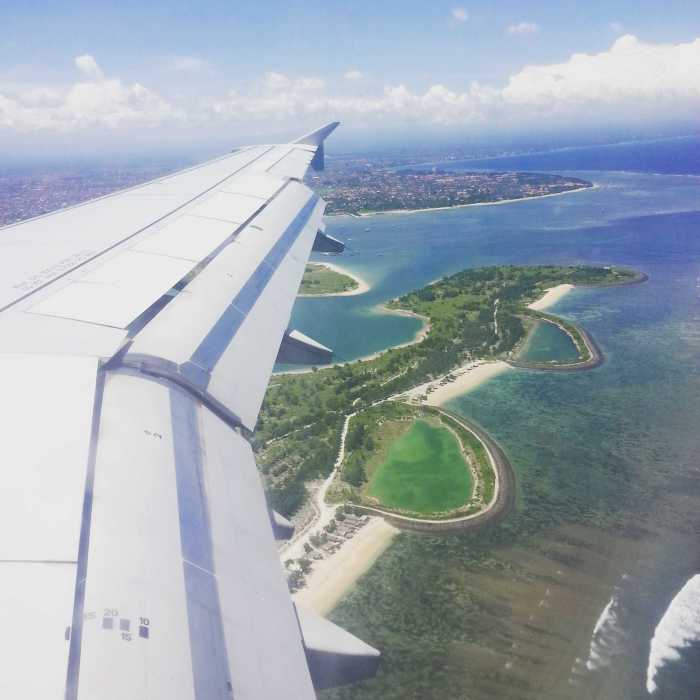
Capturing high-quality travel photography during a long-haul flight presents unique challenges but offers opportunities for creative shots. Focus on capturing the textures of the airplane’s interior, the play of light through the window, or the cloudscape below. Experiment with different angles and lighting conditions. Using a good quality camera with manual settings allows for greater control over the final image.
Remember to respect fellow passengers’ privacy.
Universal Travel Tips for Any Trip
Regardless of trip length, these fundamental tips contribute to a smoother and more enjoyable travel experience:
- Pack light: Minimizing luggage simplifies travel and reduces stress.
- Research your destination: Understanding local customs and potential hazards ensures a safer and more rewarding experience.
- Make copies of important documents: Having backups of your passport, tickets, and other essential documents can be invaluable in case of loss or theft.
- Stay hydrated: Proper hydration is crucial, especially during long journeys.
- Embrace spontaneity: Leaving room for unexpected adventures often leads to the most memorable travel experiences.
Mastering the art of long-haul flight travel is about more than just surviving; it’s about thriving. By implementing the strategies Artikeld in this guide, you can transform a potentially arduous journey into a comfortable and even enjoyable experience. Remember, thoughtful pre-flight preparation, in-flight comfort measures, and post-flight recovery strategies are key to arriving at your destination feeling refreshed and ready to embrace your adventure.
So, pack your bags, follow these tips, and embark on your next long-haul flight with confidence and ease.
Detailed FAQs
What are some good snacks to bring on a long-haul flight?
Trail mix, nuts, energy bars, and dried fruit are all good options. Avoid overly salty or sugary snacks.
How can I minimize the risk of deep vein thrombosis (DVT) on a long-haul flight?
Stay hydrated, wear compression socks, and move around the cabin regularly. Consider doing simple stretches in your seat.
What should I do if I experience a medical emergency during a long-haul flight?
Alert the flight attendants immediately. They are trained to handle medical emergencies and will provide assistance.
Are there any benefits to booking a window seat versus an aisle seat?
Window seats offer more privacy and the ability to rest your head against the wall. Aisle seats offer easier access to the restroom and flight attendants.
What should I do if my luggage is lost or delayed?
Report it to the airline immediately upon arrival. They will have procedures to assist you with locating your baggage.