Tired of overpriced trinkets and underwhelming experiences? This guide unveils the secrets to crafting authentic travel adventures, steering clear of common tourist traps. We’ll explore practical strategies for discovering hidden gems, interacting meaningfully with local communities, and optimizing your travel budget. From navigating visa requirements to mastering travel photography, we’ll equip you with the knowledge and confidence to create unforgettable, genuinely immersive journeys.
Discover how to leverage online resources and local expertise to identify potential pitfalls. Learn to prioritize local transportation, engage authentically with businesses, and negotiate prices effectively. We’ll also cover essential travel insurance, packing strategies, and the advantages of independent travel planning versus pre-packaged vacations. Prepare to embark on journeys filled with genuine cultural immersion and lasting memories.
Identifying Tourist Traps
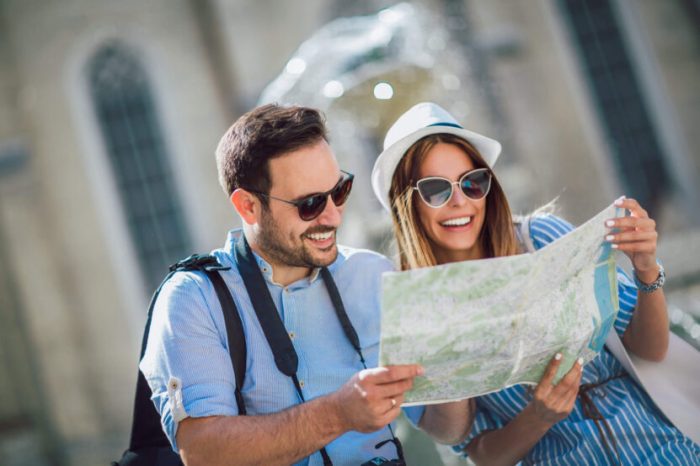
Avoiding tourist traps is crucial for experiencing the genuine character of a destination. These locations, while often easily accessible, frequently offer inflated prices, underwhelming experiences, and a generally inauthentic representation of the local culture. Recognizing the telltale signs of a tourist trap allows travelers to make informed choices and maximize their travel enjoyment.Tourist traps typically share several common characteristics.
Overpriced goods and services are a hallmark; expect to pay significantly more than you would at a locally-owned establishment. Aggressive solicitation from vendors is another common tactic, often involving persistent pressure to purchase items or participate in activities. Finally, the experience itself is frequently underwhelming, failing to live up to its hype or marketing promises. Instead of a genuine cultural immersion, the traveler is often left feeling cheated and disappointed.
Examples of Tourist Traps
Numerous popular travel destinations are rife with tourist traps. In cities like Paris, France, overly-priced cafes and shops along heavily trafficked tourist routes often prey on unsuspecting visitors. Similarly, in Rome, Italy, certain guided tours might rush through significant historical sites, offering a superficial experience while neglecting the rich historical context. In many Asian countries, such as Thailand, certain markets might inflate prices dramatically for tourists compared to what locals would pay.
Even seemingly innocuous attractions, such as a “must-see” viewpoint with a long queue, could be a trap if the actual view is unremarkable. The key is to look beyond the glossy brochures and marketing materials.
Identifying Tourist Traps Using Online Reviews and Local Guides
Leveraging online resources is key to identifying potential tourist traps. Websites such as TripAdvisor, Yelp, and Google Maps provide a wealth of user reviews that can highlight overpriced goods, poor service, and underwhelming experiences. Pay close attention to negative reviews that point out inconsistencies between the marketing and the reality. Furthermore, engaging with local guides or communities can offer invaluable insights.
Local guides, often found through online platforms or recommendations from other travelers, can provide recommendations for authentic experiences and warn against known tourist traps. They possess a deep understanding of the local landscape and can help you navigate the area more effectively, avoiding the pitfalls commonly faced by tourists.
Finding Authentic Experiences
Escaping the well-trodden tourist paths and uncovering a destination’s true character requires a proactive approach. By venturing beyond the typical tourist hotspots, you can immerse yourself in the local culture and create memories far richer than those found in crowded attractions. This involves actively seeking out hidden gems and embracing local ways of life.Discovering a destination’s authentic side hinges on utilizing various strategies to unearth hidden gems and local favorites.
This goes beyond simply consulting guidebooks; it’s about engaging with the place on a deeper level.
Utilizing Local Resources for Discovering Hidden Gems
Finding authentic experiences often involves moving beyond the typical tourist information centers. Instead, consider exploring local resources like independent blogs, social media groups dedicated to specific destinations, and forums where locals share their recommendations. These sources frequently offer insights into lesser-known attractions, restaurants, and activities favored by residents, providing a glimpse into the authentic pulse of the city or region.
For example, searching for “[city name] local favorites” on Instagram or Facebook can uncover hidden cafes, artisan workshops, or unique cultural events not advertised to tourists. Furthermore, engaging with local bloggers who are passionate about their city can provide insider tips and recommendations that are often more nuanced and insightful than generic tourist guides.
The Advantages of Local Transportation
Opting for local transportation methods, such as buses, trains, or even walking or cycling, offers a unique perspective compared to using tourist-oriented options like organized tours or taxis. The experience of navigating a city via its public transit system or by foot provides a deeper understanding of its layout, its rhythm, and its people. This immersion allows for spontaneous discoveries and unexpected encounters, leading to more authentic experiences.
For example, taking a local bus in a foreign city might lead you to a bustling market or a quiet neighborhood park, places you might never have encountered otherwise. The journey itself becomes part of the experience, revealing a different side of the destination.
Engaging with Local Communities and Businesses
Direct interaction with local communities and businesses is key to unlocking authentic travel experiences. This involves patronizing locally owned restaurants, shops, and markets, and engaging in conversations with residents. Such interactions offer a chance to learn about local customs, traditions, and perspectives, enriching the overall travel experience. For instance, dining at a family-run restaurant offers a taste of authentic cuisine and the opportunity to connect with the owners, learning about their family history and their connection to the community.
Similarly, shopping at local markets allows you to support local artisans and experience the vibrant atmosphere of a local trading hub. These interactions provide a more meaningful and culturally enriching experience than simply visiting tourist-oriented establishments.
Travel Hacks for Budget Travelers
Budget travel doesn’t mean sacrificing experiences; it’s about smart planning and resourcefulness. By implementing a few savvy strategies, you can explore the world without breaking the bank, ensuring your adventures are both authentic and affordable. This section Artikels practical money-saving tips, a sample budget itinerary, and negotiation techniques to maximize your travel budget.
Money-Saving Travel Hacks
Employing a few clever strategies can significantly reduce travel costs. The following table provides practical tips, examples, and estimated savings, demonstrating the potential impact of budget-conscious travel planning.
| Tip | Description | Example | Savings |
|---|---|---|---|
| Travel during the off-season | Avoid peak travel times (holidays, school breaks) for lower prices on flights and accommodation. | Flying to Europe in November instead of July could save hundreds of dollars on airfare and hotel costs. | $300 – $1000+ |
| Utilize budget airlines and flight comparison websites | Compare prices across multiple airlines and use budget carriers where appropriate. | Using Skyscanner or Google Flights to compare prices from different airlines for a flight from New York to London could save $100-$300. | $100 – $300+ |
| Consider alternative accommodation | Explore options like hostels, guesthouses, Airbnb, or homestays instead of hotels. | Staying in a hostel dorm room instead of a hotel room can save $30-$50 per night. | $30 – $50+/night |
| Pack light | Avoid checked baggage fees by packing only essential items in a carry-on bag. | Packing strategically can save $50-$100 per flight in checked baggage fees. | $50 – $100+ per flight |
| Take advantage of free activities | Explore free attractions like parks, museums (on free days), walking tours, and hiking trails. | Spending a day exploring a city park instead of paying for expensive theme park tickets could save $50-$100 per person. | $50 – $100+/person |
| Eat like a local | Explore local markets and smaller eateries instead of tourist-centric restaurants. | Eating at a local market or smaller restaurant instead of a tourist trap restaurant could save $20-$40 per meal. | $20 – $40+/meal |
| Utilize public transportation | Opt for buses, trains, subways, or even walking or cycling instead of taxis or rental cars. | Using public transport instead of taxis for a weekend trip could save $50-$100. | $50 – $100+ |
| Take advantage of free Wi-Fi | Avoid roaming charges by using free Wi-Fi hotspots at cafes, libraries, or hotels. | Using free Wi-Fi instead of international data roaming could save $50-$100 per week. | $50 – $100+/week |
Budget Travel Itinerary: Weekend Getaway to a Nearby City
This itinerary illustrates a potential weekend getaway to a nearby city, emphasizing cost-effective choices. The specific costs will vary depending on your location and chosen city.This example uses a hypothetical weekend trip to Philadelphia from New York City.| Day | Activity | Estimated Cost | Cost-Saving Strategy ||—–|——————————|—————–|———————————————————-|| Sat | Train to Philadelphia | $30 | Using a discount train ticket or off-peak travel.
|| Sat | Free walking tour of Old City | $0 | Utilizing free resources and avoiding paid tours. || Sat | Lunch at Reading Terminal Market | $15 | Choosing affordable, local eateries.
|| Sat | Visit Independence Hall (Free) | $0 | Exploring free historical sites. || Sat | Dinner at a local restaurant | $25 | Opting for less expensive dining options.
|| Sat | Hostel accommodation | $40 | Choosing budget-friendly accommodation. || Sun | Visit the Philadelphia Museum of Art (Free on Sundays) | $0 | Taking advantage of free admission days or times.
|| Sun | Lunch from a food truck | $10 | Exploring diverse and affordable street food options. || Sun | Train back to New York City | $30 | Same as Saturday.
| Total Estimated Cost: $150 (This can be significantly lower depending on choices and deals)
Negotiating Prices Effectively
Effective negotiation involves a combination of politeness, research, and confidence. Always be respectful, but don’t be afraid to politely express your budget constraints and seek a better deal.Before negotiating, research average prices for the goods or services you’re interested in. This allows you to approach negotiations from a position of informed understanding. For example, if you’re renting a scooter, know the average daily rate in that area beforehand.
This provides a solid baseline for your negotiations. When negotiating, always start with a lower price than what you’re willing to pay, leaving room for compromise. Be prepared to walk away if the deal isn’t right for you. This demonstrates your seriousness and can often lead to a better offer. Remember to be polite and respectful throughout the process; a positive attitude can go a long way.
Importance of Travel Insurance
Travel insurance is often overlooked in pre-trip planning, but it serves as a crucial safety net against unforeseen circumstances that can significantly impact your journey and finances. A comprehensive policy can provide peace of mind, allowing you to focus on enjoying your adventure knowing you’re protected against potential risks. Understanding the various types of coverage and choosing a suitable plan is essential for a worry-free trip.
Travel insurance policies vary widely in their coverage, ranging from basic medical emergencies to comprehensive packages that include trip cancellations, lost luggage, and even emergency evacuation. The benefits extend beyond simply covering medical expenses; they can also protect your investment in the trip itself. For example, a comprehensive policy can reimburse you for non-refundable deposits if you need to cancel your trip due to illness or a family emergency.
It can also alleviate the financial burden of unexpected events such as lost or stolen belongings.
Types of Travel Insurance Coverage and Their Benefits
Travel insurance policies typically offer a range of coverage options, each designed to address specific potential issues. Common types of coverage include medical expenses, trip cancellations, lost luggage, and emergency assistance services. The extent of coverage and the specific benefits offered will vary depending on the policy and provider.
For instance, medical expense coverage can reimburse you for medical treatment received while traveling abroad, which can be particularly crucial in countries with high healthcare costs. Trip cancellation coverage can refund prepaid, non-refundable trip expenses if you have to cancel your trip due to unforeseen circumstances like illness, severe weather, or family emergencies. Lost luggage coverage can compensate you for the loss or damage of your checked baggage.
Finally, emergency assistance services provide 24/7 support in case of emergencies, offering assistance with things like medical evacuation, finding replacement travel documents, and contacting family members.
Comparison of Travel Insurance Providers
Several reputable travel insurance providers offer various policies catering to different needs and budgets. Comparing policies from different providers is essential to find the best fit for your specific travel plans and risk tolerance. Key features to consider when comparing providers include the level of coverage offered, the policy’s exclusions, the claim process, and the overall cost.
Some providers, like World Nomads, are known for their comprehensive coverage and strong customer support, but they may be more expensive than other options. Others, such as Allianz Global Assistance, offer a wide range of plans with varying levels of coverage at different price points. It’s important to carefully review the policy details of each provider before making a decision.
Factors such as your destination, the length of your trip, and your planned activities will also influence the appropriate level of coverage and the associated cost. For example, adventure travel will generally require a more comprehensive and potentially more expensive policy than a simple city break.
Filing a Travel Insurance Claim
The process of filing a travel insurance claim varies depending on the provider, but generally involves providing documentation to support your claim. This typically includes a detailed description of the event, relevant receipts, medical reports (if applicable), and any other supporting evidence.
Most providers offer online claim portals for easier submission. It’s crucial to follow the provider’s specific instructions carefully and to submit your claim as soon as possible after the event occurs. The quicker you act, the faster you’ll likely receive a response and any potential reimbursement. Be prepared to provide detailed information, including dates, times, locations, and contact details.
Keeping all your travel documents organized will streamline the process significantly. Many providers also offer 24/7 emergency assistance hotlines that can guide you through the claim process if you encounter unexpected events while traveling.
Travel Photography Tips
Capturing stunning travel photos that truly reflect the spirit of your adventures requires more than just pointing and shooting. Understanding basic photographic principles and employing a few clever techniques can elevate your travel memories from snapshots to breathtaking works of art. This section will guide you through essential tips, equipment considerations, and creative perspectives to help you achieve this.
Composition Techniques
Effective composition is crucial for creating visually appealing photographs. The rule of thirds, a fundamental guideline in photography, suggests placing key elements off-center, approximately one-third of the way into the frame, rather than directly in the middle. This creates a more balanced and dynamic image. For example, instead of centering a majestic mountain peak, position it slightly to the left or right, allowing for more visual interest.
Another technique is leading lines, where natural elements like roads, rivers, or fences guide the viewer’s eye towards the main subject, adding depth and perspective to the image. Imagine a winding path leading to a charming village; capturing this path as a leading line enhances the photograph’s storytelling aspect.
Lighting and Time of Day
Lighting significantly impacts the mood and quality of your travel photos. The “golden hour,” the period shortly after sunrise and before sunset, provides a warm, soft light ideal for landscape and portrait photography. During this time, shadows are long and gentle, creating a magical ambiance. Conversely, the “blue hour,” the time just after sunset and before sunrise, offers a cool, calming light perfect for capturing cityscapes and moody atmospheres.
Consider the direction and intensity of the light when composing your shot. Backlighting can create silhouettes, while side lighting can highlight textures and details.
Essential Photography Equipment
Choosing the right equipment is essential for capturing high-quality travel photos without unnecessary weight. A lightweight mirrorless camera or a high-quality point-and-shoot camera offers excellent image quality and portability. A versatile zoom lens, covering a range from wide-angle to telephoto, allows for flexibility in various shooting situations. A sturdy tripod is essential for sharp images, especially in low-light conditions or when using longer exposures.
Finally, consider investing in a reliable external hard drive or cloud storage solution to back up your precious memories.
Photography Angles and Perspectives
Varying your shooting angles can dramatically impact the visual appeal and storytelling potential of your photographs.A description of a high angle shot: Imagine standing on a cliff overlooking a vast ocean; shooting downwards captures the immense scale and power of the ocean, dwarfing any elements in the foreground.A description of a low angle shot: Conversely, shooting from a low angle, such as lying on the ground looking up at a towering skyscraper, emphasizes the building’s height and grandeur, making it appear even more imposing.A description of a bird’s eye view: A bird’s eye view, perhaps achieved using a drone (where legally permitted), provides a unique perspective, offering a comprehensive overview of a scene, such as a bustling marketplace or a sprawling landscape.
This allows for the capture of intricate details and patterns that might be missed from ground level.
Essential Travel Tips for Smooth Journeys
Planning ahead and packing strategically are crucial for a stress-free travel experience. Careful preparation minimizes unexpected problems and allows you to fully enjoy your adventure. This section will Artikel essential packing tips, efficient packing strategies, and the importance of pre-trip planning for various travel styles.
Essential Packing Checklist
A well-organized packing list ensures you have everything you need without overpacking. The specific items will vary depending on your destination, the length of your trip, and the type of activities you plan to undertake. However, a comprehensive list should include essentials for personal hygiene, clothing appropriate for the climate, necessary documents, and any specific items required for your planned activities.
- Documents: Passport, visa (if required), flight/train tickets, hotel confirmations, travel insurance information, copies of important documents (stored separately from originals).
- Clothing: Versatile clothing items that can be mixed and matched, appropriate footwear for planned activities, layers for varying temperatures, swimwear (if applicable).
- Toiletries: Travel-sized toiletries, medications (with prescriptions), sunscreen, insect repellent.
- Electronics: Phone, charger, adapter (if needed), camera, portable power bank.
- Other Essentials: First-aid kit, reusable water bottle, small backpack or day bag, universal travel adapter, any necessary medications.
Efficient Packing Strategies
Efficient packing maximizes space and minimizes weight, making your journey more comfortable. Rolling clothes instead of folding them saves space and minimizes wrinkles. Utilizing packing cubes helps organize your belongings and compress clothing. Choosing lightweight clothing and versatile items further reduces weight and bulk. Consider the climate and activities planned when choosing your clothing.
For example, a hiking trip will require different clothing than a beach vacation.
Pre-Trip Planning and Booking
Pre-planning is vital for a smooth journey. Booking accommodations, transportation, and activities in advance, especially during peak seasons, secures your preferred options and often results in better prices. Consider factors like travel time between locations, potential delays, and the need for reservations at popular attractions. Researching your destination and understanding local customs and transportation options will contribute to a more enjoyable and stress-free trip.
For instance, booking flights and accommodations months in advance for popular destinations like Paris during the summer months can significantly reduce costs and ensure availability.
Navigating Travel Visas
Securing the necessary travel visas can often be the most daunting aspect of trip planning. Understanding the process, required documentation, and potential challenges is crucial for a smooth and stress-free journey. This section will guide you through the complexities of visa applications, offering practical advice to help you navigate this often-overlooked, yet essential, travel preparation step.The process of applying for a travel visa varies significantly depending on your nationality and your destination country.
Generally, it involves completing an online application form, gathering necessary documentation, paying applicable fees, and attending an interview (in some cases). Required documents typically include a valid passport, passport photos, proof of travel itinerary (flight and accommodation bookings), proof of financial means (bank statements), and a completed visa application form. The specific requirements, however, are unique to each country and can change frequently.
It’s imperative to check the official website of the embassy or consulate of your destination country for the most up-to-date and accurate information.
Visa Requirements for Different Countries
Visa requirements differ drastically across the globe. Some countries offer visa-free travel or visas on arrival for citizens of certain nations, while others require complex visa applications well in advance of travel. For example, obtaining a Schengen visa for travel within the European Union necessitates a meticulous application process, including demonstrating sufficient travel insurance and a detailed itinerary. In contrast, many countries in Southeast Asia offer relatively straightforward visa-on-arrival processes for many nationalities.
The United States, on the other hand, has a rigorous visa application process, often requiring extensive documentation and interviews. Always research specific requirements based on your citizenship and intended destination to avoid unexpected complications.
Resolving Visa Application Issues or Delays
Delays or complications in visa applications are unfortunately common. If your application is delayed, the first step is to check the status online using the tracking number provided. If you are unable to find your application status online, contact the embassy or consulate directly via phone or email. Clearly and concisely explain the situation, providing your application number and any relevant details.
Be prepared to provide additional documentation if requested. In cases of rejection, carefully review the reasons provided and consider appealing the decision if you believe the rejection was unwarranted. It’s important to remain calm, patient, and persistent when dealing with visa application issues, ensuring you communicate clearly and professionally throughout the process. Seeking assistance from a travel agent specializing in visa applications can also be beneficial, particularly for complex or high-stakes travel plans.
Urban Escapes
Unlocking the authentic heart of a city requires more than just ticking off famous landmarks. It’s about immersing yourself in the local rhythm, discovering hidden gems, and experiencing the city as its residents do. This section provides strategies for navigating urban landscapes and uncovering truly memorable, authentic experiences.Exploring a city like a local involves moving beyond the heavily touristed areas and embracing the everyday life of the city.
This means venturing into residential neighborhoods, utilizing public transportation, and interacting with local businesses. It’s about seeking out the less-obvious attractions and activities that reveal the city’s true character.
Discovering Local Neighborhoods
To truly understand a city’s pulse, explore its residential neighborhoods. These areas often offer a glimpse into the everyday lives of residents, showcasing local culture and traditions far removed from the polished facade of tourist attractions. For example, in Paris, exploring the Marais district reveals charming boutiques, hidden courtyards, and authentic Parisian cafes, a stark contrast to the more tourist-heavy Champs-Élysées.
Similarly, in Tokyo, venturing beyond Shinjuku’s skyscrapers into quieter neighborhoods like Yanaka reveals traditional wooden houses, local markets, and a slower pace of life. This immersion provides a richer, more authentic experience than simply visiting iconic landmarks.
Unique and Off-the-Beaten-Path Activities
Many cities offer unique experiences beyond the typical tourist trail. Instead of a generic bus tour, consider a food tour focusing on local delicacies, prepared and served by residents. In Rome, this might involve a pasta-making class followed by a tasting of regional wines. In New York City, a graffiti art tour in Bushwick, Brooklyn offers a vibrant, artistic perspective not found in standard sightseeing.
Alternatively, a walking tour focused on the city’s hidden architectural gems or a visit to a local farmers market provides an intimate look at the city’s character.
Sample City Break Itinerary: Authentic Barcelona
This itinerary focuses on experiencing Barcelona beyond the Sagrada Familia and Las Ramblas.
| Day | Morning | Afternoon | Evening |
|---|---|---|---|
| 1 | Explore the Gothic Quarter, wandering its narrow streets and discovering hidden plazas. | Visit the El Born neighborhood, known for its independent shops and cafes. | Enjoy tapas at a local bar in El Raval, experiencing authentic Catalan cuisine. |
| 2 | Attend a flamenco show in a smaller, less touristy venue in the Gràcia neighborhood. | Explore Park Güell, but avoid peak hours to minimize crowds and appreciate the architecture more fully. | Dine at a restaurant in Gràcia, known for its bohemian atmosphere and local restaurants. |
| 3 | Visit La Boqueria market, experiencing the vibrant atmosphere and sampling local produce. | Take a cooking class focusing on Catalan cuisine, learning to prepare traditional dishes. | Enjoy a final meal at a restaurant overlooking the Barceloneta beach, savoring the Mediterranean atmosphere. |
This itinerary prioritizes immersion in local culture and avoids the most heavily touristed areas, providing a more authentic and memorable experience. Remember to utilize public transport like the metro to move efficiently and experience the city like a local.
Vacation Packages vs. Independent Travel
Choosing between a pre-packaged vacation and planning your trip independently is a significant decision impacting your budget, experience, and level of control. Both options offer distinct advantages and disadvantages, and the best choice depends heavily on individual preferences and travel styles.Pre-packaged vacations, often booked through travel agencies or online platforms, bundle together flights, accommodation, and sometimes activities or excursions.
Independent travel, on the other hand, involves arranging each aspect of your trip separately, providing greater flexibility but requiring more planning and research.
Advantages and Disadvantages of Vacation Packages
Vacation packages offer the convenience of having everything pre-arranged. This simplifies the planning process, especially for first-time travelers or those with limited time. Often, packages offer competitive pricing due to bulk bookings and negotiated rates with hotels and airlines. However, a lack of flexibility is a key drawback. Changes to your itinerary may be costly or impossible, and the curated experiences may not perfectly align with your personal interests.
Furthermore, the overall cost might seem attractive initially but could prove less economical if you don’t fully utilize all the included services. For instance, a package including a daily excursion you’d rather skip still incurs the cost.
Advantages and Disadvantages of Independent Travel
Independent travel offers unparalleled flexibility and customization. You have complete control over your itinerary, accommodation choices, and activities, allowing you to tailor the trip to your specific interests and budget. This control also means greater potential for unique and authentic experiences, as you are not limited to pre-selected options. However, this freedom comes at the cost of increased planning time and effort.
You’ll need to research flights, accommodation, activities, and transportation, often juggling multiple bookings and potentially facing higher overall costs if not careful with your planning and budgeting. The increased responsibility also means dealing with any unforeseen issues independently.
Scenarios Favoring Vacation Packages
Vacation packages are ideal for travelers prioritizing convenience and simplicity. Families with young children, individuals with limited travel experience, or those seeking a stress-free vacation often find packaged deals attractive. Group trips, such as corporate retreats or school excursions, also benefit from the streamlined logistics and cost-effectiveness of pre-arranged packages. A cruise, for example, is a classic packaged vacation where accommodation, meals, and many activities are bundled together.
Scenarios Favoring Independent Travel
Independent travel is best suited for experienced travelers who value flexibility and customization. Backpackers, adventurous individuals seeking off-the-beaten-path experiences, and those with specific interests or needs often prefer to plan their trips independently. For instance, a photographer on a dedicated photography tour would likely prefer the autonomy to choose locations and shooting times rather than being restricted by a fixed itinerary.
Similarly, a budget traveler might find independent planning allows for greater cost control by choosing budget-friendly options for each aspect of the trip.
Factors to Consider When Choosing
Several factors influence the best choice. Budget is paramount; while packages might initially appear cheaper, independent travel can be more cost-effective if you are diligent. Time constraints also play a role; packaged vacations save planning time, but independent travel allows for a more leisurely pace. Travel style is crucial; adventurous travelers will likely favor independent planning, whereas those seeking relaxation might prefer a pre-arranged package.
Finally, the destination’s complexity should be considered; independent travel is more manageable in familiar locations or those with well-developed tourism infrastructure.
Venture Capital in the Travel Industry
Venture capital (VC) funding has significantly shaped the travel industry, fueling innovation and disrupting traditional models. The influx of capital has enabled the creation of new technologies, services, and business models, ultimately enhancing the traveler experience and creating more efficient and accessible travel options. This influx also presents both opportunities and challenges for investors and startups alike.The impact of venture capital on the travel sector is multifaceted.
It provides startups with the necessary resources to develop and scale their innovative ideas, leading to a more dynamic and competitive market. This competition, in turn, benefits consumers through lower prices, better services, and a wider range of choices. Furthermore, VC investment encourages experimentation with new technologies, such as AI-powered travel planning tools and personalized travel recommendations, which are transforming how people plan and experience their trips.
Examples of Venture Capital-Backed Travel Startups and Their Impact
Several successful travel startups have leveraged venture capital to achieve significant growth and influence. Airbnb, for instance, revolutionized the accommodation industry by connecting travelers with individuals offering rooms or entire homes. Their massive success, fueled by significant VC investment, disrupted the traditional hotel industry and provided travelers with diverse and often more affordable lodging options. Similarly, Uber and Lyft, though primarily transportation companies, significantly impacted the travel industry by offering convenient and readily available transportation alternatives, especially in areas with limited public transport.
Their success showcases the potential for VC-backed innovation to redefine established travel norms. Another example is Skyscanner, a metasearch engine that compares flight and hotel prices from various providers. Its user-friendly interface and comprehensive search capabilities have changed how travelers search for and book travel arrangements. These examples demonstrate the transformative power of VC funding in reshaping the travel landscape.
Challenges and Opportunities for Venture Capital Investment in the Travel Industry
Investing in the travel industry presents both significant opportunities and unique challenges. Opportunities arise from the industry’s massive size and consistent growth, even amidst economic fluctuations. The ever-increasing demand for travel experiences, coupled with technological advancements, creates fertile ground for innovative startups. However, the industry is also characterized by intense competition, high customer expectations, and external factors like global events and economic downturns that can significantly impact performance.
Seasonal variations in demand and the dependence on external factors like weather patterns also pose challenges for investors. Moreover, regulatory hurdles and differing international travel laws can complicate expansion strategies for VC-backed travel companies. Despite these challenges, the potential for high returns and the transformative impact on the travel sector continue to attract significant VC investment.
Ultimately, avoiding tourist traps and embracing authentic travel experiences is about more than just saving money; it’s about connecting with the heart of a destination. By utilizing the tips and strategies Artikeld in this guide, you can transform your travels from fleeting snapshots into rich, meaningful encounters. Remember to prioritize research, embrace flexibility, and be open to unexpected discoveries.
Your next adventure awaits, filled with genuine connection and unforgettable moments.
FAQ Guide
How can I find reliable local guides?
Look for recommendations on platforms like TripAdvisor, or ask your hotel/hostel staff for suggestions. Consider using local tour operators or joining walking tours led by residents.
What’s the best way to learn basic phrases in the local language?
Use language learning apps like Duolingo or Memrise. Even a few basic phrases can significantly enhance your interactions with locals.
How do I handle aggressive vendors?
Politely but firmly decline their offers. Maintain eye contact and continue walking. If they persist, seek assistance from local authorities or your hotel.
Is travel insurance really necessary?
Yes, it’s highly recommended. Unexpected events like medical emergencies, flight cancellations, or lost luggage can be costly without adequate coverage.