Building a successful career in travel photography requires more than just stunning images; it demands a strategic approach to showcasing your work and engaging your audience. This guide delves into the essential aspects of creating a compelling travel photography portfolio and a captivating blog, providing practical tips and techniques to help you establish a strong online presence and attract potential clients or collaborators.
We’ll explore portfolio design, blog post creation, effective promotion strategies, and even address the often-overlooked aspects of travel logistics and insurance for photographers.
From selecting the right platform for your portfolio to mastering the art of storytelling through your images and blog posts, we will cover a comprehensive range of topics designed to equip you with the knowledge and skills necessary to succeed in this visually driven field. We’ll also look at practical tips for managing your travel photography business, including securing funding and navigating visa requirements.
Building a Compelling Travel Photography Portfolio
A strong travel photography portfolio is crucial for showcasing your skills and attracting clients or collaborators. It’s more than just a collection of pretty pictures; it’s a curated narrative reflecting your unique style and vision. A well-designed portfolio, combined with effective image selection and editing, will significantly enhance your professional presence.
Portfolio Website Layout and Responsive Design
Designing a portfolio website requires careful consideration of user experience and visual appeal. A responsive design ensures your website adapts seamlessly to different screen sizes, from desktops to smartphones and tablets. This is essential for reaching a wider audience. Using HTML, you can create a clean and modern layout featuring a prominent header with your name and a brief introduction, a gallery section showcasing your best work, and a contact page for potential clients.
You can incorporate CSS for styling and JavaScript for added functionality, such as image lightboxes or smooth scrolling.
| Website Builder | Pros | Cons | Best For |
|---|---|---|---|
| Wix | User-friendly interface, drag-and-drop functionality, large template library. | Limited customization options for advanced users, can be expensive for premium features. | Beginners, those seeking quick setup. |
| Squarespace | Stylish templates, easy to use, good features. | Less customization than WordPress, fewer third-party integrations. | Users who prioritize aesthetics and ease of use. |
| WordPress | Highly customizable, extensive plugin ecosystem, strong capabilities. | Steeper learning curve, requires more technical knowledge. | Experienced users, those seeking maximum control and flexibility. |
Sample Captions for Travel Photographs
Effective captions enhance the storytelling aspect of your photography. They provide context, evoke emotion, and engage viewers.
- Image 1: Sunrise over the Serengeti. “The golden hour painted the African savanna in hues of orange and gold, as a lone acacia tree stood silhouetted against the rising sun. A moment of breathtaking tranquility, a reminder of nature’s raw beauty.”
- Image 2: Bustling Market in Marrakech. “The vibrant energy of Djemaa el-Fna market pulsed around me – a kaleidoscope of sights, sounds, and smells. This image captures the chaotic beauty and rich culture of Marrakech, a city that captivates the senses.”
- Image 3: A lone hiker on a mountain peak. “Conquering the summit was a test of endurance, but the panoramic view from the top was a reward beyond measure. This photograph reflects the feeling of accomplishment and the awe-inspiring power of nature.”
- Image 4: Ancient ruins at sunset. “The setting sun cast long shadows across the weathered stones of this ancient civilization, whispering tales of empires long past. A poignant reminder of time’s relentless march and the enduring legacy of human history.”
- Image 5: Children playing on a beach. “The carefree laughter of children echoed across the sandy beach, a simple yet profound reminder of the joy found in life’s simplest pleasures. This candid moment captures the essence of childhood innocence and the beauty of unadulterated happiness.”
Selecting and Editing Travel Photographs for a Portfolio
The selection process is critical. Choose images that represent your best work, showcasing your technical skills and artistic vision. Prioritize high-resolution images with sharp focus, good composition, and compelling storytelling. Editing should enhance, not mask, the image’s natural beauty. Adjust brightness, contrast, saturation, and sharpness subtly, ensuring a consistent look and feel across your portfolio.
Avoid over-processing, which can make images appear artificial. Remember that storytelling is key; your edits should support the narrative you want to convey.
Thematic Portfolio: Adventure Travel Photography
A thematic portfolio allows you to showcase a specific niche or style. This example focuses on adventure travel.
- Image 1: A climber scaling a rocky cliff face, emphasizing the challenge and thrill of the ascent.
- Image 2: A kayaker navigating a rushing river, highlighting the dynamic energy of the water.
- Image 3: Hikers silhouetted against a stunning sunset on a mountain ridge, capturing the vastness of the landscape.
- Image 4: A close-up shot of a vibrant wildflower in a remote alpine meadow, showcasing the delicate beauty of nature.
- Image 5: A panoramic view of a breathtaking canyon, emphasizing the scale and grandeur of the natural environment.
- Image 6: A surfer riding a wave, showcasing the power and grace of the ocean.
- Image 7: A group of backpackers camping under the stars, emphasizing the camaraderie and shared experience of adventure.
- Image 8: A mountain biker navigating a challenging trail, capturing the speed and excitement of the sport.
- Image 9: A rock climber reaching the summit, emphasizing the feeling of accomplishment and victory.
- Image 10: A wide shot of a stunning waterfall cascading down a cliff face, highlighting the raw power of nature.
Travel Hacks for Photographers
Traveling with photography equipment can be challenging, but with a little planning and these helpful tips, you can streamline your workflow and enjoy a smoother, more efficient trip. These hacks focus on maximizing your time and minimizing potential hassles, allowing you to focus on capturing stunning images.
- Utilize Packing Cubes: Packing cubes are a game-changer for organizing gear. They compress clothing and keep items separated, preventing scratches on your equipment.
- Invest in a Lightweight Tripod: A carbon fiber tripod is a worthwhile investment; it offers stability without weighing you down.
- Carry a Portable Charger: Low battery is a photographer’s worst nightmare. A portable charger ensures you’re always ready to shoot.
- Use a Camera Backpack with a Dedicated Laptop Compartment: This keeps your tech safe and readily accessible.
- Employ Cable Management: Use small zip ties or Velcro straps to organize cables and prevent tangles.
- Pre-download Essential Apps: Download offline maps, translation apps, and photo editing software before you leave to avoid data issues.
- Clean Your Sensor Regularly: A dirty sensor can ruin your shots. Pack a sensor cleaning kit for on-the-go maintenance.
- Back Up Your Photos Regularly: Use cloud storage or multiple external hard drives to prevent data loss.
- Protect Your Gear from the Elements: Use waterproof bags or cases to shield your equipment from rain or unexpected spills.
- Carry a First-Aid Kit: Minor injuries can happen; being prepared is essential, especially in remote locations.
Packing Strategies for Travel Photography
Two common packing strategies for photographers are the “minimalist” approach and the “comprehensive” approach. The minimalist approach prioritizes lightweight travel, sacrificing some equipment redundancy for ease of movement. This often involves bringing only essential lenses and a smaller camera body. The comprehensive approach, on the other hand, emphasizes carrying a wider range of equipment to accommodate diverse shooting situations.
This may include multiple camera bodies, a variety of lenses, and additional accessories, resulting in heavier luggage. The choice depends on the length of the trip, the types of photography planned, and personal preferences.
Luggage Options for Photography Equipment
Different types of luggage offer varying levels of protection and convenience for transporting photography equipment. Hard-shell cases provide superior protection against impacts and harsh conditions, but they are often heavier and less maneuverable than soft-sided bags. Soft-sided bags, while lighter and more flexible, may offer less protection against shocks and drops. Backpacks offer hands-free carrying, ideal for hiking and exploring, but may not provide as much protection as hard-shell cases.
Wheeled cases are convenient for long distances but can be cumbersome in tight spaces or on uneven terrain. The optimal choice depends on the specific needs of the photographer and the nature of their trip.
Travel Insurance and Photography Equipment
Protecting your investment in photography equipment is crucial when traveling. Travel insurance offers a safety net against unforeseen circumstances, but the level of protection varies greatly depending on the policy. Understanding the different types of coverage and how to file a claim is essential for peace of mind.Travel insurance policies typically offer several levels of coverage, ranging from basic medical and emergency evacuation to more comprehensive plans that include baggage loss, trip cancellation, and, importantly for photographers, equipment coverage.
Higher-tier policies often provide better coverage limits and broader protection for specialized items like cameras and lenses. Choosing a policy depends on the value of your equipment, the length and nature of your trip, and your personal risk tolerance.
Types of Travel Insurance Coverage Relevant to Photographers
Comprehensive travel insurance policies offer several key benefits specifically designed to protect photographers’ equipment. These benefits often include coverage for loss, theft, damage, and even accidental breakage of photography equipment during your trip. Some policies also cover the cost of renting replacement equipment while your own is being repaired or replaced. It is important to carefully review the policy wording to understand the extent of coverage, including any exclusions or limitations.
For instance, some policies may exclude coverage for equipment lost due to negligence or left unattended in unsafe locations.
Sample Travel Insurance Policy Clause Regarding Photography Equipment
This policy provides coverage for loss or damage to photographic equipment, up to a maximum of [Dollar Amount] per item and [Dollar Amount] in total, provided the loss or damage occurs as a result of a covered event such as theft, accidental damage, or loss due to a covered airline incident. Coverage is subject to the policy’s general terms and conditions, including the deductible and exclusions Artikeld in the policy document. The insured must report any loss or damage promptly to the insurer and provide supporting documentation, including proof of purchase and police reports (if applicable).
Filing a Claim for Damaged Photography Equipment
The process of filing a claim for damaged photography equipment typically involves several steps. First, you need to report the damage immediately to your insurer, usually by phone or through their online portal. You will then need to gather all relevant documentation, including your policy details, proof of purchase for the damaged equipment, a detailed description of the damage, and any supporting evidence, such as police reports or airline incident reports.
Once the insurer receives your claim and supporting documentation, they will review the claim and determine the extent of coverage. Depending on the insurer and the nature of the claim, the process can take several weeks or even months. Keep copies of all communications and documentation related to your claim. You should also be prepared to provide further information or documentation as requested by the insurer.
Mastering Travel Photography Techniques
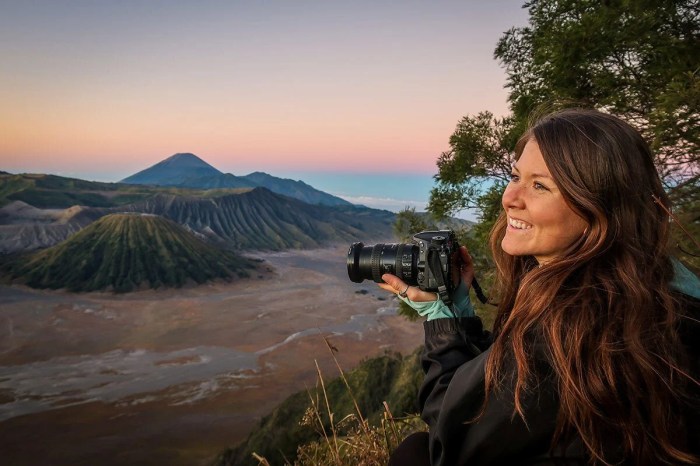
Developing strong compositional skills and understanding light are crucial for creating impactful travel photographs. Post-processing then refines these images, bringing out their full potential. This section explores key techniques to elevate your travel photography.
Compositional Techniques in Travel Photography
Effective composition guides the viewer’s eye and creates a visually appealing image. Three fundamental techniques frequently employed are the rule of thirds, leading lines, and symmetry. Mastering these enhances the storytelling aspect of your travel photos.
- Rule of thirds: This technique involves mentally dividing the image into nine equal parts using two equally-spaced horizontal lines and two equally-spaced vertical lines. Instead of placing the subject in the center, position it at one of the four intersections of these lines for a more dynamic and engaging composition. For example, a photograph of a lone tree on a vast landscape would be more impactful with the tree placed off-center, at one of the intersections, rather than directly in the middle.
- Leading lines: These are lines within the image that draw the viewer’s eye towards the main subject. Roads, rivers, fences, or even rows of trees can act as leading lines. Imagine a photograph of a winding mountain road disappearing into the distance; the road acts as a leading line, guiding the viewer’s gaze towards the majestic mountain peaks in the far background.
- Symmetry: Symmetrical compositions create a sense of balance and harmony. This technique is particularly effective when photographing architecture, reflecting pools, or natural formations with mirrored elements. A photograph of a perfectly symmetrical building, reflected in a still pond, provides a visually stunning and balanced image, highlighting the architectural details and the tranquil environment.
Utilizing Different Lighting Conditions
The quality of light significantly impacts the mood and atmosphere of your photographs. Harnessing different lighting conditions, such as the golden hour and blue hour, can dramatically enhance your images.Golden hour, occurring shortly after sunrise and before sunset, provides warm, soft light that is ideal for portraits and landscapes. This soft light minimizes harsh shadows, creating a more flattering and aesthetically pleasing image.
Blue hour, the period just after sunset and before sunrise, offers a cool, subdued light, perfect for capturing a more serene and moody atmosphere, particularly in urban settings. The low light conditions during blue hour can be used to create dramatic silhouettes and atmospheric depth.
Post-Processing Travel Photographs
Post-processing is a crucial step in enhancing your travel photographs. Using editing software like Adobe Lightroom or Photoshop, you can refine color, contrast, and sharpness to achieve a professional look.Enhance color by adjusting saturation and vibrance, carefully avoiding oversaturation which can lead to unnatural looking images. Boost contrast to increase the dynamic range and make the image more visually striking.
Sharpening enhances details and improves clarity, but be careful not to over-sharpen, which can introduce artifacts and a grainy appearance. The goal is to enhance, not to create an unrealistic or artificial look. A balanced approach, focusing on subtle enhancements, will yield the best results.
Travel Tips for Photographers
Traveling as a photographer offers incredible opportunities to capture stunning images, but it’s crucial to prioritize safety and respectful interactions with the local communities you visit. This section provides essential tips for both aspects of your photographic journey.
Essential Travel Safety Tips for Photographers
Safeguarding your equipment and personal well-being is paramount when traveling with photography gear. Neglecting safety precautions can lead to loss of valuable equipment or, worse, personal injury. Here are five essential tips to prioritize your safety and security:
- Secure your equipment: Always use secure camera bags and consider investing in a locking backpack or case. Avoid displaying expensive equipment ostentatiously, and be mindful of your surroundings, especially in crowded areas. A discreet approach to carrying your gear will minimize the risk of theft.
- Travel insurance: Comprehensive travel insurance is a must. It protects against loss or damage to your equipment, as well as medical emergencies and trip cancellations. Make sure your policy explicitly covers photographic equipment.
- Inform someone of your itinerary: Share your detailed travel plans with a trusted friend or family member, including your planned locations and expected return times. Regularly check in with them, especially if traveling to remote areas.
- Be aware of your surroundings: Pay attention to your environment and avoid traveling alone in isolated or unsafe areas, particularly at night. Trust your instincts; if a situation feels unsafe, remove yourself from it immediately.
- Back up your photos regularly: Use cloud storage or external hard drives to back up your photos regularly. Losing your images due to equipment malfunction or theft is devastating; regular backups mitigate this risk.
Respectful Interaction with Locals While Photographing
Building positive relationships with local communities is crucial for ethical and enjoyable travel photography. Respectful interactions enhance your experience and ensure you capture authentic moments without causing offense. Here are five tips for interacting respectfully:
- Ask for permission: Always ask for permission before photographing individuals, especially in close proximity or in sensitive situations. A simple gesture and a smile can go a long way, and it’s always better to err on the side of caution.
- Be mindful of cultural norms: Research local customs and traditions beforehand. Certain gestures, clothing, or behaviors might be considered disrespectful in some cultures. Understanding these nuances shows respect and prevents unintentional offense.
- Offer compensation: In some situations, particularly if you’re photographing individuals for commercial purposes, offering a small compensation can be appropriate. This shows respect for their time and effort.
- Engage respectfully: Try to communicate even if there’s a language barrier. A smile, a nod, and a gesture of appreciation can convey your intentions and respect. Engage in respectful interactions rather than simply snapping photos and moving on.
- Respect privacy: Avoid photographing individuals without their consent, especially in private settings or when they appear to be engaged in personal activities. Be mindful of their comfort and privacy.
Navigating Travel Visas and Regulations
Securing the necessary travel visas and understanding the regulations of your destination are crucial for a smooth and successful photography trip. Overlooking these aspects can lead to significant delays, frustration, and even prevent you from entering the country altogether. This section Artikels the key steps involved in the visa application process, specifically addressing the needs of photographers, and compares the requirements for three diverse countries.The application process typically involves gathering specific documentation, completing an online application form, paying the visa fee, and attending an interview (if required).
Photographers should be prepared to provide evidence of their professional status, including details of their work, planned itinerary, and purpose of travel. This may include a portfolio showcasing their previous work, client contracts, or letters of invitation from organizations or events they plan to photograph. It is vital to thoroughly research the specific requirements of each country well in advance of your intended travel dates.
Visa Requirements for Photographers: A Comparison
This section compares the visa requirements for photographers traveling to the United States, Canada, and the United Kingdom. These countries represent a range of visa application processes and requirements, highlighting the importance of individual research.
United States: Photographers visiting the U.S. for tourism or business purposes generally require a B-1/B-2 visa. Applicants need to demonstrate a strong tie to their home country to ensure they will return after their visit. This may involve providing evidence of employment, property ownership, or family ties. In addition to the standard visa application materials, photographers might include a detailed itinerary, client contracts, or letters of invitation from organizations or events they plan to cover.
They should also be prepared to explain the purpose of their trip and demonstrate their financial ability to support themselves during their stay. The process can be lengthy, requiring several weeks or even months for processing.
Canada: Canadian visa requirements for photographers vary depending on their nationality and the purpose of their visit. Similar to the U.S., many photographers will need a visitor visa. The application process involves completing an online application, providing supporting documentation such as proof of financial means, a travel itinerary, and a letter explaining the purpose of their visit.
Photographers might also need to provide a portfolio to demonstrate their professional status. Canada often prioritizes applicants who have strong ties to their home country and can demonstrate a clear reason for their visit and intention to leave Canada after their trip.
United Kingdom: Photographers traveling to the UK typically need a visitor visa unless they qualify for a visa waiver program. The application process is largely online and involves providing a detailed itinerary, evidence of financial means, and a clear explanation of the purpose of the trip. Providing a professional portfolio and any contracts or letters of invitation can strengthen an application.
Similar to Canada and the U.S., demonstrating strong ties to one’s home country and the intention to return after the trip is crucial for a successful application.
Urban Escapes
Urban environments offer a captivating blend of architectural marvels, vibrant street life, and intriguing details, providing a rich tapestry for travel photographers. The dynamic nature of cities, constantly evolving and brimming with human activity, creates a unique photographic challenge and reward. Capturing the essence of a city requires a keen eye for detail and an understanding of light, composition, and storytelling.
Five Unique Urban Environments for Travel Photography
Five distinct urban landscapes stand out for their exceptional photographic potential. Each possesses unique characteristics that inspire creative expression and offer diverse photographic opportunities.
- Tokyo, Japan: Tokyo’s vibrant blend of traditional and modern architecture offers a striking visual contrast. The meticulous detail of ancient temples juxtaposed against the sleek lines of futuristic skyscrapers provides a rich palette for photographers. The city’s bustling streets, neon-lit nightscapes, and serene gardens all offer unique photographic opportunities. Imagine capturing the quiet beauty of a traditional Japanese garden in the morning light, followed by the frenetic energy of Shibuya Crossing at dusk.
The sheer density of visual stimulation is unparalleled.
- New York City, USA: The iconic skyline of New York City, with its towering skyscrapers and iconic bridges, is instantly recognizable. The city’s diverse neighborhoods, from the vibrant energy of Times Square to the quiet charm of Greenwich Village, offer a wealth of photographic subjects. Consider capturing the dramatic interplay of light and shadow on a rainy day in Central Park, or the bustling energy of a street market in Chinatown.
The sheer scale and diversity of the city are a photographer’s dream.
- Paris, France: Paris, with its classic architecture, charming streets, and iconic landmarks, is a photographer’s paradise. The city’s romantic ambiance, combined with its rich history, creates a captivating atmosphere. The Eiffel Tower at sunset, the Louvre Museum bathed in golden light, or a quiet street scene in Montmartre – each offers a unique photographic moment. The city’s classic beauty is timeless and endlessly inspiring.
- Havana, Cuba: Havana’s colorful colonial architecture, classic American cars, and vibrant street life create a unique and evocative atmosphere. The city’s weathered buildings, adorned with peeling paint and intricate details, provide a rich texture for photographers. Capturing the daily life of the city, from the rhythmic sounds of salsa music to the lively interactions of locals in the plazas, offers a truly authentic and engaging photographic experience.
The juxtaposition of old and new is particularly striking.
- Buenos Aires, Argentina: Buenos Aires’s European-influenced architecture, vibrant tango culture, and passionate people create a captivating urban landscape. The city’s grand boulevards, elegant cafes, and colorful neighborhoods offer a wealth of photographic opportunities. Capturing the energy of a tango performance, the quiet charm of a hidden courtyard, or the bustling atmosphere of a market, provides a diverse range of photographic experiences.
The city’s passionate spirit is palpable and easily captured through photography.
One-Day Photography Itinerary: New York City
A one-day photography itinerary in New York City should focus on maximizing light and capturing the city’s diverse character.
Morning (7:00 AM – 12:00 PM): Begin at the Brooklyn Bridge Park, capturing the sunrise over the Manhattan skyline and the bridge’s intricate architecture. The soft morning light will enhance the textures and details. Then, head to DUMBO for iconic views of the Manhattan Bridge and the city skyline. The cobblestone streets and historic buildings provide a charming backdrop.
Afternoon (12:00 PM – 5:00 PM): Explore the vibrant street art scene in Bushwick, Brooklyn. The colorful murals and graffiti provide a unique and dynamic photographic subject. Afterward, head to Times Square to capture the energy and visual overload of this iconic location. The best time to shoot here is during the golden hour (around sunset) to capture the neon lights in their full glory.
Evening (5:00 PM – 10:00 PM): Capture the sunset from a rooftop bar in Manhattan for stunning views of the city skyline. As the sun sets, the city lights begin to twinkle, creating a magical atmosphere. Afterwards, explore the city streets at night, capturing the vibrant nightlife and illuminated architecture. Long exposures can capture the movement of traffic and the glow of city lights.
Vacation Packages and Photography Tours
Choosing the right vacation package can significantly enhance your travel photography experience. Pre-arranged tours often offer logistical advantages, access to unique locations, and the opportunity to learn from experienced photographers. However, independent travel allows for greater flexibility and personalization. This section compares and contrasts various photography-focused vacation packages and provides a sample itinerary for a week-long photography tour.
Types of Photography Vacation Packages
Three distinct types of photography vacation packages cater to different skill levels and preferences: guided tours, workshops, and independent photography packages. Guided tours provide a structured itinerary with a professional photographer leading the group, offering instruction and assistance. Workshops focus heavily on skill development through hands-on instruction and critiques, often in a smaller group setting. Independent packages offer pre-arranged accommodations and logistical support, but leave the photography itinerary largely to the traveler.
Comparison of Photography Vacation Packages
| Package Type | Pros | Cons |
|---|---|---|
| Guided Tours | Structured itinerary, expert guidance, access to unique locations, group camaraderie. | Less flexibility, potentially rushed pace, higher cost. |
| Workshops | Intensive skill development, personalized feedback, smaller group size, focused learning. | Limited location exploration, potentially demanding schedule, higher cost. |
| Independent Packages | Flexibility, personalized itinerary, potentially lower cost. | Requires more planning and self-reliance, less expert guidance. |
Sample Week-Long Photography Tour Itinerary: Tuscany, Italy
This itinerary focuses on landscape and architectural photography in Tuscany, Italy. It balances structured activities with opportunities for independent exploration.
Day 1: Arrival in Florence & City Exploration
Arrival at Florence Airport (FLR), transfer to hotel in the city center. Afternoon exploring the Ponte Vecchio and Piazza della Signoria, capturing iconic Florentine architecture and street scenes. Evening: Dinner at a Trattoria. Accommodation: Hotel Pitti Palace al Ponte Vecchio (example).
Day 2: Tuscan Countryside & Rolling Hills
Day trip to the Tuscan countryside. Visiting San Gimignano and exploring its medieval architecture. Photographing the iconic rolling hills and vineyards of the region. Opportunities for landscape photography at sunset. Accommodation: Hotel Pitti Palace al Ponte Vecchio.
Day 3: Siena & Medieval Charm
Journey to Siena, exploring the Piazza del Campo and the Duomo. Focus on architectural photography and capturing the atmosphere of this historic city. Workshop session on composition and light. Accommodation: Hotel Athena (example, Siena).
Day 4: Chianti Wine Region & Vineyard Photography
Exploring the Chianti Classico wine region. Visiting a vineyard and capturing the beauty of the vineyards, focusing on textures and light. Optional wine tasting. Accommodation: Hotel Athena.
Day 5: Montepulciano & Renaissance Architecture
Visiting Montepulciano, known for its Renaissance architecture and stunning views. Focus on capturing the details of the buildings and the panoramic landscapes. Free time for independent photography. Accommodation: Agriturismo (example, rural accommodation in Montepulciano).
Day 6: Relaxation & Post-Processing
Morning dedicated to relaxing and reviewing photographs. Afternoon workshop session focusing on post-processing techniques using Adobe Lightroom (example software). Accommodation: Agriturismo.
Day 7: Departure
Transfer to Florence Airport for departure.
Funding Your Travel Photography Projects
Securing funding for travel photography projects can be challenging but is crucial for realizing ambitious visions. Several avenues exist, each requiring a carefully crafted approach and a strong understanding of your project’s potential. This section explores viable funding options and strategies for securing them.Funding your travel photography project often requires a multifaceted approach, combining several funding streams for a more secure financial base.
This ensures project sustainability and reduces reliance on a single source, mitigating risk. A well-structured proposal is paramount to securing funding from any source.
Grants for Travel Photography Projects
Grants are a valuable source of funding, often provided by organizations that support artistic endeavors or specific geographical regions. Many foundations and non-profit organizations offer grants to photographers whose work aligns with their mission. Successful grant applications typically demonstrate a clear project vision, a well-defined budget, and a compelling narrative that showcases the project’s impact and potential. A strong portfolio showcasing past work is also essential.
Researching relevant grant opportunities and tailoring proposals to each organization’s specific guidelines is critical for maximizing your chances of success. For example, the National Geographic Society offers grants to support exploration and storytelling through photography, while smaller, regional arts councils might focus on projects within their geographical area.
Sponsorships for Travel Photography Projects
Sponsorships involve securing funding from companies or organizations in exchange for promotional opportunities. This could include featuring their products or services in your photography, mentioning them on your website or social media, or even incorporating their branding into your final project. To secure sponsorships, you need a well-defined media kit outlining your reach, engagement metrics, and the value you can offer to potential sponsors.
Clearly demonstrating how the sponsorship aligns with their marketing goals is crucial. For instance, a travel gear company might sponsor a photographer documenting a trekking expedition, while a tourism board might sponsor a project showcasing the beauty of a specific region.
Crowdfunding for Travel Photography Projects
Crowdfunding platforms allow you to raise funds directly from the public, typically through platforms like Kickstarter or Indiegogo. Success in crowdfunding relies on creating a compelling campaign that clearly articulates your project’s vision, its impact, and the rewards offered to backers. High-quality visuals and a well-written narrative are crucial. A strong social media presence and engaging with potential backers are essential for driving traffic and generating pledges.
Successful crowdfunding campaigns often include various reward tiers, offering backers different levels of access to the project’s outcomes, from prints and merchandise to exclusive behind-the-scenes content. For example, a photographer aiming to document a specific cultural festival might offer backers access to exclusive photographs or even a personal thank you note.
Creating a Compelling Funding Proposal
A compelling proposal is the cornerstone of securing funding. It needs to clearly articulate your project’s goals, methodology, budget, and timeline. High-quality visuals are essential, showcasing your previous work and providing a glimpse into your vision for the project. A strong narrative that connects with the funder’s values and demonstrates the project’s impact is crucial. Demonstrating a clear understanding of the funding source’s priorities and aligning your proposal accordingly significantly increases your chances of success.
The proposal should also include a detailed budget outlining all anticipated expenses and a timeline for project completion. Finally, a well-written proposal showcases professionalism and dedication, increasing the credibility of your project.
Creating a thriving travel photography portfolio and blog is a journey that combines artistic vision with strategic planning. By carefully curating your portfolio, crafting engaging blog content, and effectively promoting your work, you can establish a strong online presence that attracts clients, collaborators, and a loyal audience. Remember that consistent effort, a passion for travel photography, and a willingness to adapt and learn are key to long-term success in this exciting field.
Embrace the challenges, celebrate the victories, and enjoy the journey of building your brand as a travel photographer.
FAQ Insights
What is the best way to price my travel photography services?
Pricing depends on factors like experience, location, project scope, and client needs. Research competitor rates, consider your expenses, and value your skills appropriately. Start with a clear pricing structure and adjust as needed.
How can I protect my images from copyright infringement?
Watermark your images, register your copyright with your country’s copyright office, and use clear licensing agreements when sharing or selling your work. Actively monitor online usage of your photos.
What are some good resources for learning advanced photo editing techniques?
Online courses (Skillshare, Udemy), YouTube tutorials from reputable photographers, and photography books offer diverse learning paths. Experiment with different software and find what suits your style.